Zinc in Liquid Form - OrganicLiquid Zinc Drops
Your immune system is your first line of defence against daily threats, and regardless of what conventional doctors say, there is much you can do to support it.
Zinc is perhaps the most important auxiliary nutrient for the optimal functioning of your immune system and protection against the effects of cellular ageing, but it is also essential for the proper functioning of the brain, heart, liver, pancreas, kidneys, bones, and muscles. Yet up to two billion people lack this vital mineral, including these particularly vulnerable groups:
Our liquid zinc, with only organic apple juice for flavour, is made from zinc sulphate. It contains no citric acid, added flavours (including "natural" flavour), alcohol, corn, or other questionable ingredients. With just 15 calories per serving, Zinc Liquid Drops offer an easy and tasty way to meet your zinc needs without swallowing tablets.
- Adults aged 60 and over.
- Strict vegetarians.
- People with poor diets.
- Consumers of grains, seeds, nuts, and legumes.
Package content - 115 ml
VAT included · Free shipping on larger orders
Key benefits
Adults aged 60 and over.
Strict vegetarians.
People with poor diets.
Consumers of grains, seeds, nuts, and legumes.
Zinc in Liquid Form - Organic
Our Zinc Liquid Drops are made from zinc sulfate and contain just a touch of organic apple juice for flavouring. They do not contain citric acid, added flavours (including "natural" flavour), alcohol, corn, or other questionable ingredients. With only 15 calories per serving, Zinc Liquid Drops offer an easy and tasty way to meet your zinc needs without swallowing tablets.
Our Zinc Liquid Drops from zinc sulfate provide 15 mg of zinc per serving - the ideal dose to support organ health and the immune system without worrying about getting too much.
Take action today to keep your body on the right track and order Zinc Liquid Drops, which ensure not only the health of your immune system but also the well-being of your entire body.
Skin type & needs
What are the benefits of organic liquid zinc?
Cardiovascular Health
Higher zinc levels are associated with optimal cardiovascular health. Scientists now believe that zinc may play a key role in regulating calcium movement in heart cells and support normal heart function.Lung and Respiratory Health
Studies show that adequate zinc supports good respiratory health, especially during seasonal challenges to your health.Metabolic Health
Zinc is essential for the activity of more than 300 enzymes that aid in metabolism, digestion, and other processes. It supports healthy metabolism, aids carbohydrate and protein metabolism, and nutrient absorption.Brain Health
Zinc helps prevent the accumulation of defective proteins in the brain and plays a key role in helping proteins maintain their proper shape for healthy cognitive function.Sensory Organ Health
Zinc deficiency often leads to a loss of taste and appetite. When deficient, cells in the taste and smell organs can actually die faster. Zinc helps the eyes perceive light and transmit nerve impulses to the brain. Loss of smell or taste is one of the classic signs of zinc deficiency.Bone Health
Zinc plays a key role in the bone matrix and regulates the delicate balance between bone formation and breakdown, which is especially important as you age. It also supports bone mineralization due to its role as a cofactor for alkaline phosphatase, an enzyme found in your bone cells.Protein Synthesis and Wound Healing
Zinc supports healthy skin and mucous membrane integrity.
More Information About Zinc
Zinc is one of the most important nutrients contributing to normal immune system function. Yet up to two billion people do not have enough of this vital mineral.
Besides people over 60, there are several other groups that may be at higher risk of zinc deficiency, such as:
Vegetarians
Bioavailable zinc is most abundant in animal foods like oysters, liver, and pasture-raised beef. Not only are they the best sources of zinc, but consuming these foods can also improve zinc absorption from all sources. Plant sources of zinc are not absorbed nearly as well as animal sources. If you are vegetarian, you may need up to 50% more zinc than people who eat meat.Consumers of Grains, Seeds, Nuts, and Legumes
Many legumes, whole grains, seeds, and nuts contain phytates and other compounds that bind to zinc and make it difficult for your body to absorb. While vegetarians typically eat plenty of legumes, grains, nuts, and seeds, even if you are not vegetarian but eat a lot of these foods, you may also be at greater risk.Pregnant and Lactating Women
The developing fetus requires high amounts of zinc. If a woman starts pregnancy with borderline zinc levels, she may be at risk of deficiency. Breastfeeding can also deplete a mother's zinc stores.People with Excessive Alcohol Consumption
Up to half of alcoholics have low zinc levels. Ethanol consumption both reduces intestinal absorption of zinc and increases zinc excretion in urine. Moreover, many alcoholics do not have adequate zinc intake in the types and amounts of foods they typically consume.
Although zinc deficiency is widespread, few people - and doctors - consider it when examining many health issues. Because symptoms of possible zinc deficiency mimic other common conditions, a doctor may not recognize zinc as a potential culprit.
Why Normal and Healthy Immune System Function Requires Zinc
The only mineral more abundant in the body than zinc is iron.
Unlike iron, however, your body cannot store zinc. To have enough, you must consume it daily. A healthy and normal immune system cannot function without it. Zinc is a key messenger for immune cells, and zinc inside your cells is involved in important signalling events.
Your body needs zinc to produce white blood cells, which circulate in the blood and are on standby to attack invading pathogens. Zinc also influences the production of antibodies and cytokines, phagocytosis - or the engulfing of unwanted cells or particles - and the regulation of genes within white blood cells.
While zinc is crucial for the normal state of the immune system, over the years it has been overshadowed by other nutrients. Conventional medicine simply did not pay zinc the attention it deserved, but fortunately, this is beginning to change. One reason for this neglect is that zinc levels are difficult to measure. Unlike iron, there are very few accurate methods for testing it. For this reason, most people have never been tested for zinc.
Although zinc is found throughout the body as part of proteins and nucleic acids, serum zinc levels do not always reflect the true zinc status. The same is true for urine tests and hair analysis.
How zinc helps protect the body from the effects of cellular aging
In addition to contributing to the normal function of the immune system, zinc is essential for the healthy functioning of the brain, heart, liver, pancreas, kidneys, bones, and muscles. At the cellular level, your cells use the DNA present in the cells as their blueprint during each replication.
Throughout life, your body is capable of reproducing DNA. However, as you age, this ability deteriorates, leading to the deterioration of your bodily systems.
It has recently been discovered that zinc plays a role in how quickly your cellular DNA breaks down. Too little zinc affects your body's ability to repair the common damage that occurs to your DNA due to oxidative stressors. Excessive oxidative stress causes harmful free radicals, which can lead to accelerated cellular aging. Other stressors, such as common bodily processes - like breathing - as well as pollution, poor diet, and obesity, can also contribute to DNA damage.
Zinc plays an important role in reducing oxidative stress and repairing DNA, especially as you age.
Zinc plays an important role in reducing oxidative stress and repairing DNA, especially as you age.
As beneficial as zinc is, it is possible to consume too much of it. This is problematic because excessive zinc can reduce your immune function and also lower your levels of "good" HDL cholesterol.
Additionally, excess zinc can adversely affect copper levels and also your hearing and taste. It has been shown that as little as 60 mg of zinc per day can negatively impact copper status.
Therefore, it is vital to consume the right amount of zinc - and not too much. Even if you consume enough zinc, you may still be deficient. Because zinc is not commonly tested, many people are deficient but unaware of it.
Even if you have enough zinc in your daily diet, certain conditions can prevent you from absorbing and utilizing this essential mineral. Stomach and intestinal issues are often associated with zinc deficiency.
If you struggle with gluten sensitivity, you are more likely to be zinc deficient. Complaints of gluten intolerance among Americans have increased over the past 50 years. In celiac disease or gluten intolerance, your body attacks the intestinal lining in response to gluten. This can lead to inflammation and erosion of the tiny nodules in the lining of the small intestine, called villi.
Since intestinal villi are responsible for absorbing nutrients from food, the loss of villi can lead to severe nutritional deficiencies, including zinc deficiency. You don't have to be gluten-sensitive for this to happen to your intestinal lining. Other types of intestinal and gastrointestinal issues can also cause the breakdown of intestinal villi.
13 signs of potential zinc deficiency
It is important to know that even a mild zinc deficiency can seriously affect your immune system - and your entire body. Here are some signs that indicate a zinc deficiency:
Frequent respiratory illnesses or other infections.
Sleep difficulties.
Low energy.
Nervousness.
Slow wound healing.
Impaired vision, taste, or smell.
Skin rashes.
Lack of concentration and brain fog.
Impaired hearing.
Occasional moodiness and feeling of sadness.
Increased allergies to food and environment.
Thinning hair or baldness.
Male infertility.
All these symptoms can mimic other conditions, so most people - and doctors - rarely suspect zinc deficiency, as none of these symptoms alone indicate zinc deficiency.
If you have one or more of these symptoms and neither you nor your doctor can determine the cause, I recommend trying a quality zinc supplement. You may be one of the many people who are deficient, and observing whether your symptoms improve is probably the best way to confirm zinc deficiency.
How stress can contribute to zinc deficiency
Would you describe your lifestyle as stressful? Do you sometimes feel overwhelmed by many life responsibilities? If so, you may be zinc deficient. Emotional stress is one of the biggest factors behind zinc deficiency.
When you're stressed, your body shifts zinc to the brain, organs, muscles, and skin to help repair stress-induced damage. Long-term stress can deplete zinc concentration and increase cortisol levels in the blood - the stress hormone.
If you're unable to manage stress in your life, it can affect the health of your adrenal glands. Adrenal fatigue can subsequently lead not only to zinc deficiency but also to calcium and magnesium deficiency.
For a healthy hormone balance, including thyroid hormones, you need adequate zinc levels. Zinc helps produce progesterone, cortisol, and aldosterone - hormones essential for optimal well-being and a healthy inflammatory response.
How stress can contribute to zinc deficiency
How advancing age can prepare you for zinc deficiency. As you age, many factors come into play that increases the risk of zinc deficiency.
According to a government survey, up to 45% of adults aged 60 and over have a zinc intake lower than the estimated average requirement of 6.8 mg per day for women and 9.4 mg per day for men. As you age, the ability to absorb and utilise zinc decreases. And if you don't get enough zinc in your diet, you're at even greater risk of deficiency due to this factor.
Too little bioavailable zinc - or zinc that your body can easily absorb and utilise - can lead to more frequent changes in your body. Here's another thing to keep in mind: The part of the brain that stores zinc is the cerebral cortex, including the hippocampus and amygdala. This key area is responsible for cognitive functions. Having the right amount of zinc is essential for healthy brain function and mood.
Usage
Recommended dosage: Adults take 4 droppers daily (4 ml) as a dietary supplement.
Each dose provides 15 mg of zinc - the ideal amount to support organ health and a normal immune system without the risk of excess.
Composition
Ingredients INCI:
Zinc (Zinc Sulfate), Organic Glycerin, Purified Water, Organic Apple Juice.
Ingredients: Zinc, Organic plant glycerin, Purified water, Organic apple juice (fruit).
Certified USDA Organic.
Serving size: 4 droppers (4 ml) on an empty stomach
Content: contains 28 servings.
Warning:
This product is marketed as a dietary supplement. The product has no approved medicinal effects and is not a medicine and is not intended as a substitute for a varied diet. Do not exceed the recommended dosage. Keep out of reach of children. Minimum durability indicated on the packaging. The information provided here is not intended to increase consumption and dispensing of products. We do not encourage inappropriate, immoderate or unjustified use of products. Always read the package leaflet carefully, study the active ingredients and consult the use of products with a doctor or pharmacist.
Manufacturer and safety information
Responsible person in the EU
Nutraseu s.r.o. (dovozce pro ČR)
Litoměřická 834/19d, Prosek, 190 00 Praha 9, Česká republika
Certification & Values
100% Natural
No parabens or sulfates
Cruelty-free
Never tested on animals
Certified
Organic & bio certificates
Sustainable
Eco-friendly packaging
The values we select our range by. Specific certifications can vary per product — see the product description.
Customer experiences
Real customer experiences help describe the texture, scent and long-term feel of the product. Reviews are shown in their original wording.
How we verify reviews
Any customer signed in to their account can write a review; customers without an account can write one via a link we send to the email address of a delivered order. A review that our system links to a delivered order of this product is marked as “Verified purchase”; other reviews do not carry this label. Some reviews marked as “Verified purchase” come from our previous online shop (until 27 August 2026), where likewise only customers who had made a purchase could write a review; we no longer have them matched to a specific order. We check every review against our content rules before publishing it, usually within 24 hours; a positive or negative rating is never a reason for rejection.
How we handle reviewsNo reviews yet
Bought this product? Be the first to help others choose.
You Might Also Like
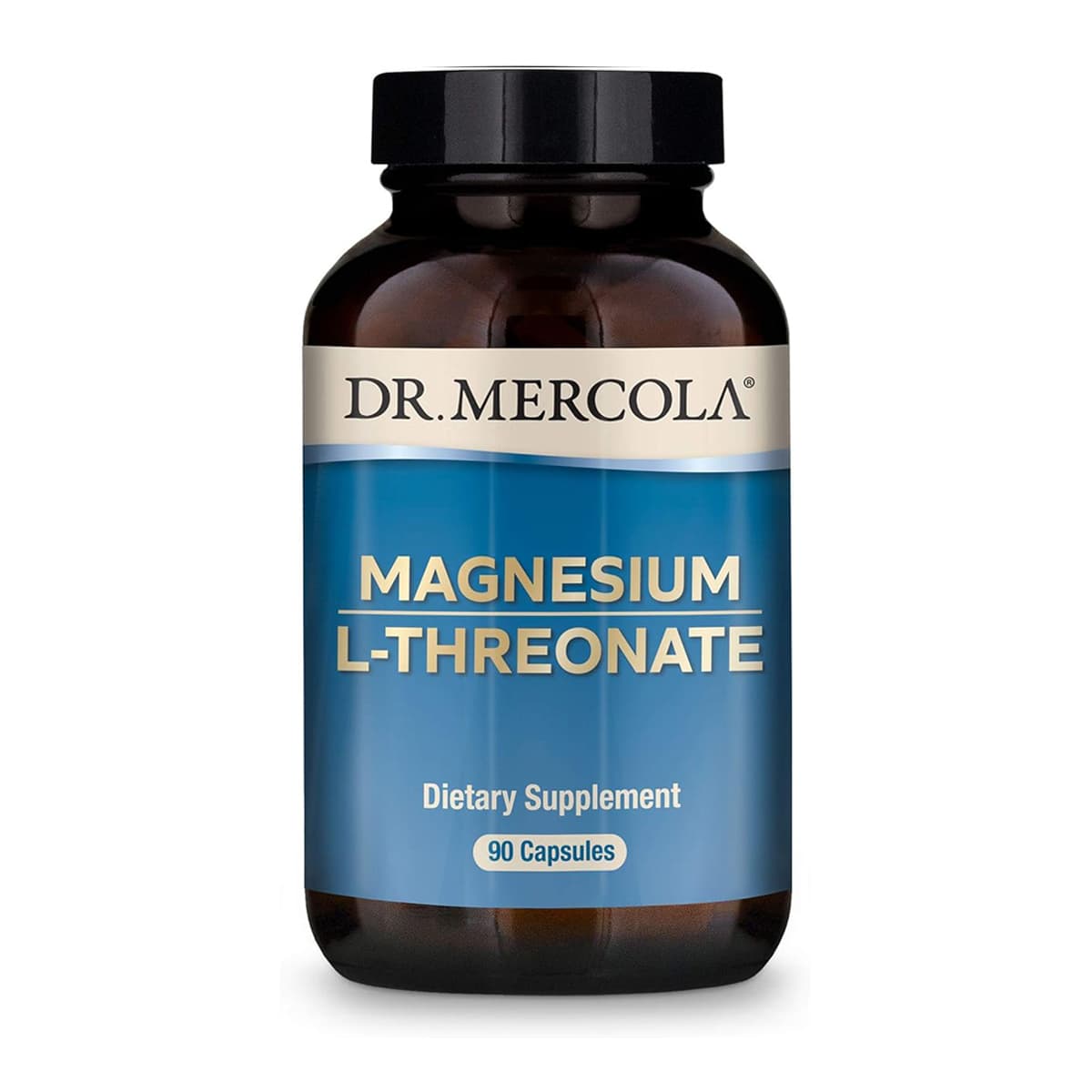
Magnesium L-Threonate with Magtein®
Magnesium in the form of L-threonate (Magtein®)
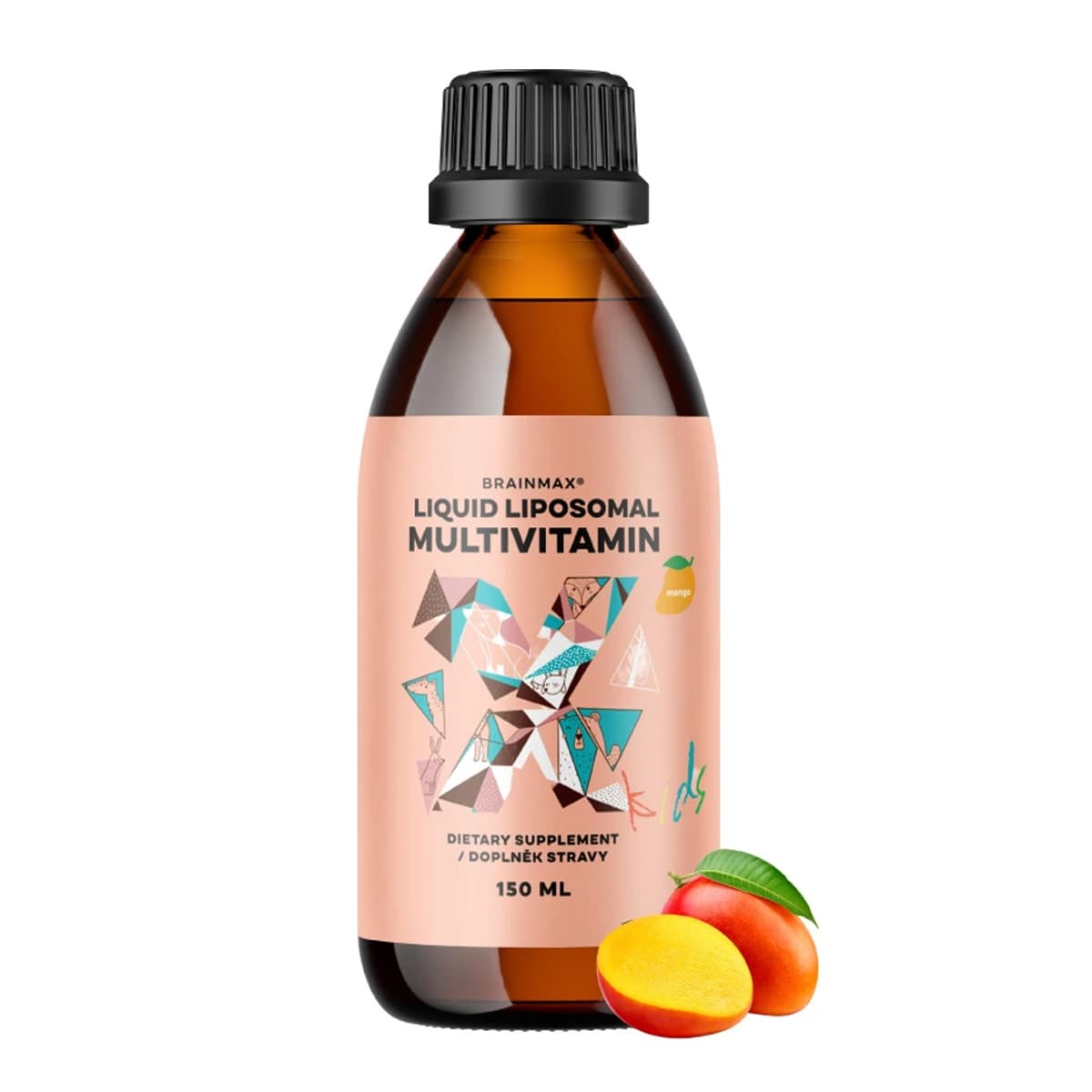
Liposomal Immunity Kids
BrainMax Liposomal Vitamin Complex for Children – Immune Support